Powering Tomorrow, Today. At LAMPS91 Energies, reliable energy is more than a commercial service it is a foundation for healthier communities, stronger institutions, and sustainable development.

 Public HealthElectrical & Renewable Energy WorksCommunity Partnerships
We integrate social responsibility into how we operate and grow. Every engagement is an opportunity to improve health, equity, and resilience. We partner with communities, government, health facilities, educational institutions, and development actors to deliver practical, sustainable, and measurable impact. Whether through direct energy solutions or support for complementary public-health systems and programmes.
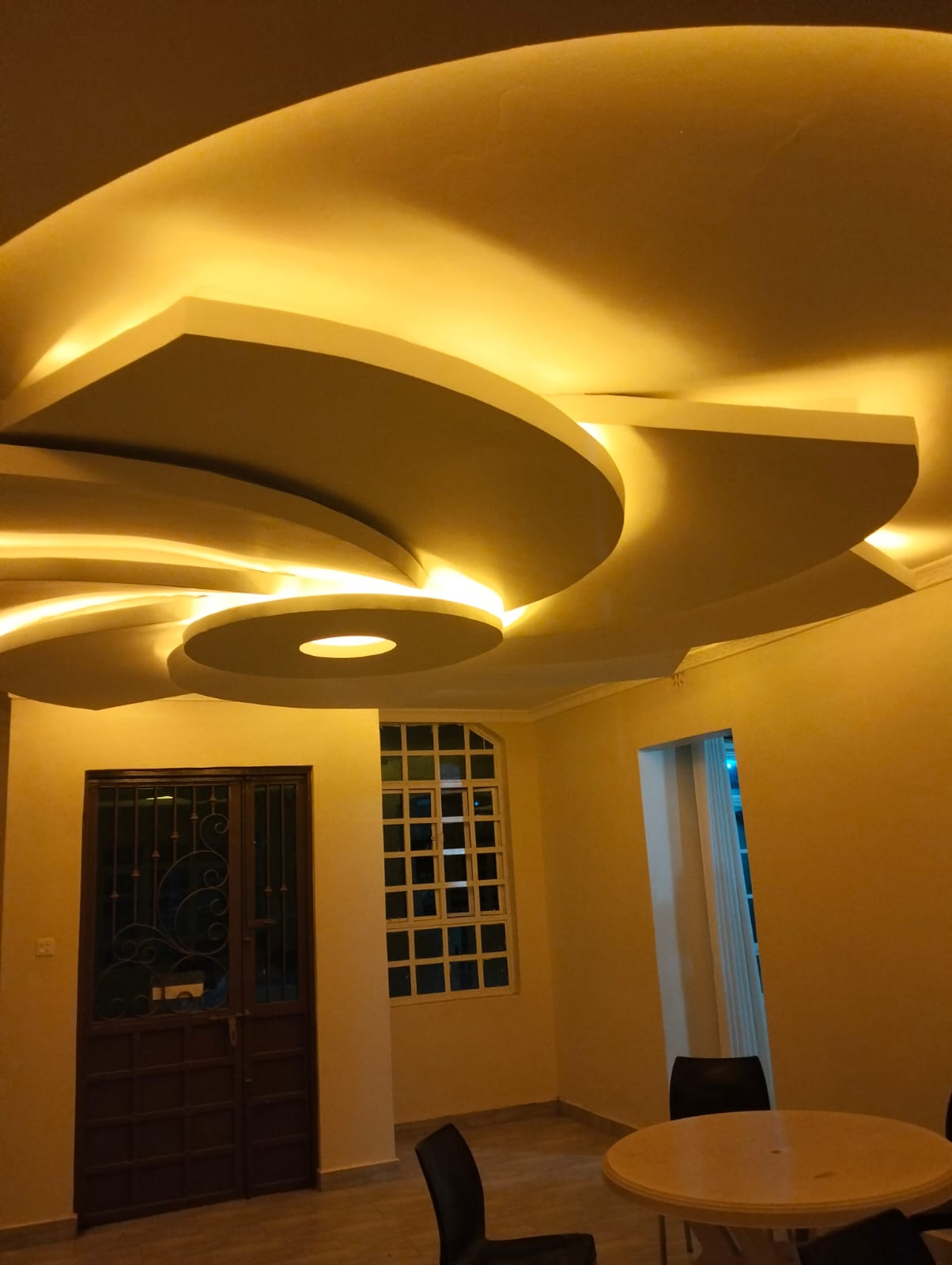
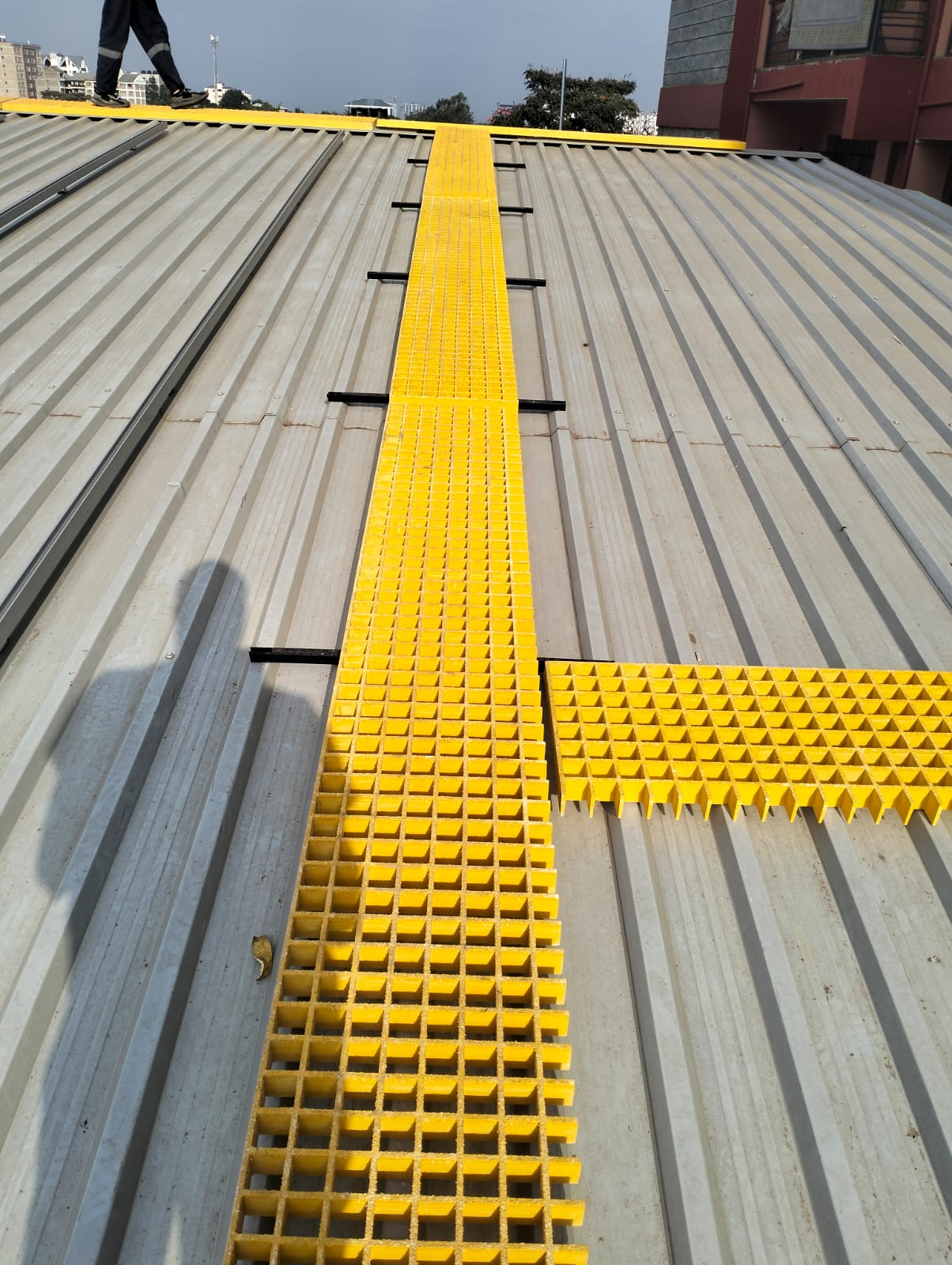
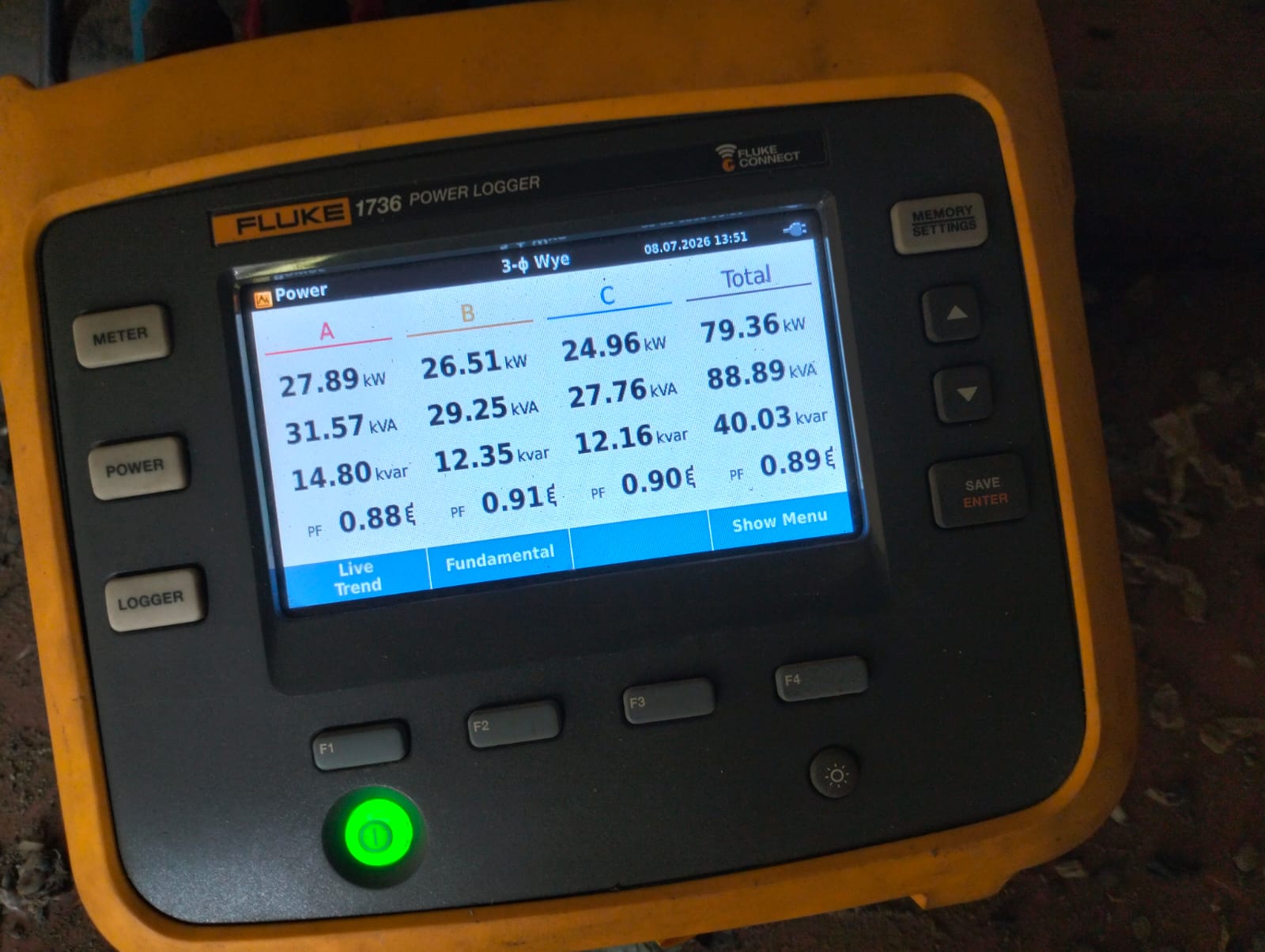
Two pillars, one mission — powering healthier, more resilient communities. Our Public Health work stays deliberately open to new ground, from backup power for clinics today to emerging interest in AI-ready, offline-first data systems for rural sanitation tomorrow. As our CSR programme grows, expect more partnerships to be announced along the way.
Power is the backbone of care. We keep vaccine cold chains running, lights on in the delivery room, and clinics safe from electrical fires — while backing rural sanitation and hygiene progress under Kenya's RuSH Protocol, so communities gain more than energy alone.
Our engineers bring solar, industrial power, energy storage, and IoT smart metering into everyday use, replacing unsafe wiring, cutting outages, and bringing clean, dependable power to homes and businesses that need it most.
Practical, sustainable, and measurable impact across Kenya
Healthcare facilities — Priority support for clinics and hospitals needing stable power and safer electrical infrastructure.
Rural sanitation & community health programmes — Partnerships and technical contributions that strengthen data systems, monitoring, and the sustainability of ODF and broader hygiene outcomes.
Underserved & ASAL communities — Renewable energy and systems support that improve quality of life and reduce reliance on costly or polluting alternatives, alongside educational institutions and county-level partnerships that help scale effective interventions.
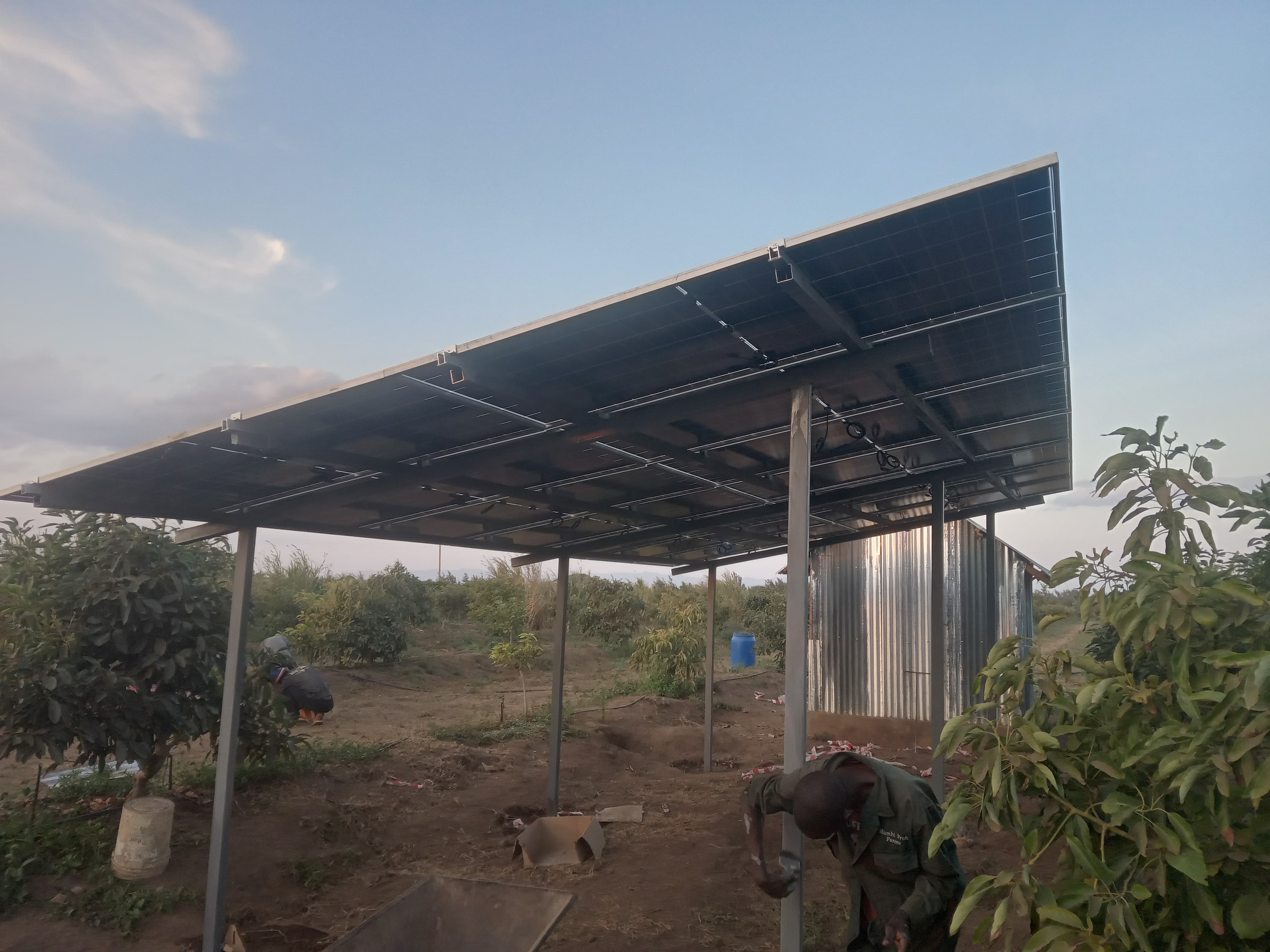
Solar systems, hybrid solutions, and backup power for clinics and hospitals so vaccine cold chains, laboratories, emergency care, and night-time services continue without interruption.
01
Upgrading unsafe or outdated electrical systems in health facilities to reduce fire risk, equipment damage, and service downtime.
02
Data systems, monitoring tools, and infrastructure that accelerate and sustain Open Defecation Free (ODF) status and progression toward Kenya's RuSH Protocol goals.
03
Expanding grid-tied, hybrid, and off-grid solar for homes, schools, community facilities, and health infrastructure, including mini-grid and community solar projects in off-grid areas.
04
Deliberate focus on Arid and Semi-Arid Lands (ASAL) and hard-to-reach populations, including pastoralist communities, in every programme we design.
05
Training and knowledge transfer so communities can maintain systems, adopt safer practices, and sustain impact long after installation.
06